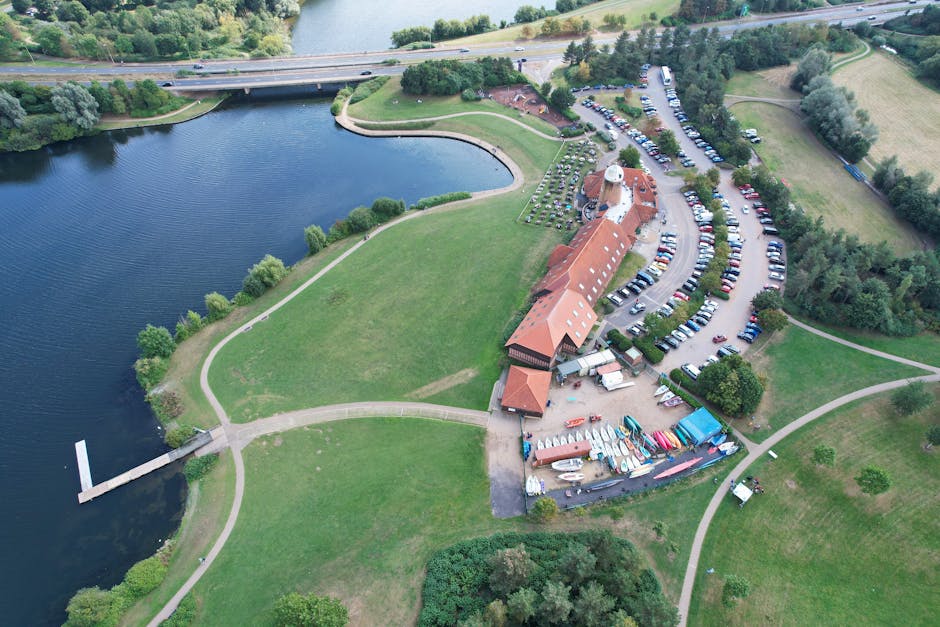
Rubbish clearance for Lee Valley Park events Broxbourne
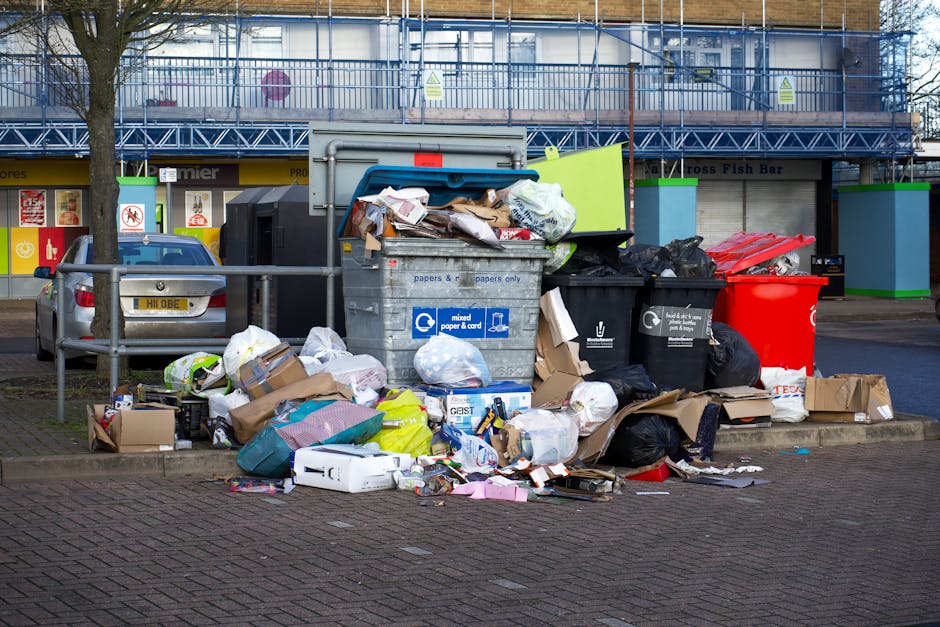
If you are planning an event near Lee Valley Park in Broxbourne, rubbish clearance is one of those jobs that can quietly make or break the day. It does not always get the attention the stage, catering, or tickets get, but once the crowd arrives and the bins start filling up, the difference between a smooth event and a messy one becomes obvious fast. Overflowing bags, windblown litter, broken packaging, food waste, cable ties, cardboard, cups, and half-hidden debris can all build up before you know it.
Rubbish clearance for Lee Valley Park events Broxbourne is really about keeping the venue safe, presentable, and easy to reset before, during, and after your event. Whether you are running a community fun day, sporting event, outdoor market, charity gathering, or private celebration, the right clearance plan helps you avoid awkward last-minute scrambles. And lets face it, nobody wants to be loading bin bags into a van while guests are still trying to enjoy themselves.
This guide explains how event waste clearance works in practice, what to plan for, which mistakes to avoid, and how to choose the right approach for a park setting. If you want a broader look at local waste support too, you may also find our rubbish clearance service and house clearance options useful, especially when an event creates mixed waste that needs sorting quickly and properly.
Table of Contents
- Why Rubbish clearance for Lee Valley Park events Broxbourne Matters
- How Rubbish clearance for Lee Valley Park events Broxbourne Works
- Key Benefits and Practical Advantages
- Who This Is For and When It Makes Sense
- Step-by-Step Guidance
- Expert Tips for Better Results
- Common Mistakes to Avoid
- Tools, Resources and Recommendations
- Law, Compliance, Standards, or Best Practice
- Options, Methods, or Comparison Table
- Case Study or Real-World Example
- Practical Checklist
- Conclusion
- Frequently Asked Questions
Why Rubbish clearance for Lee Valley Park events Broxbourne Matters
Lee Valley Park is a popular setting because it feels open, green, and inviting. That same openness is also why waste control matters so much. When rubbish is left unmanaged in a park event, it is visible immediately. A couple of stray cups near a pathway can make the whole place look tired. A few bin bags left by a marquee can attract seagulls, foxes, or simply the wrong kind of attention from visitors. Truth be told, people notice cleanliness faster than they notice many other event details.
There is also the practical side. Event waste can create trip hazards, block access routes, and make clean-down awkward for staff, stewards, caterers, or volunteers. In a busy outdoor space, even a small pile of rubbish can get in the way of trolleys, equipment, or emergency access. If you have ever seen a gusty afternoon scatter lightweight packaging across grass, you will know how quickly a tidy setup can unravel. One minute everything looks organised; the next, there are napkins in the hedges and a bin bag rolling off like it has somewhere better to be.
For organisers, good clearance is not just about appearances. It supports guest experience, protects the site, and helps you hand the venue back in good order. That matters whether your event is small and local or much larger and more complex. It also matters for the people who arrive after you. A clean handover keeps relationships positive, which is worth more than it sounds.
For event planning more broadly, a service-led approach often works best alongside specialist cleaning support or our Broxbourne local coverage when you need a team familiar with the area and access patterns. Local knowledge saves time. It really does.
How Rubbish clearance for Lee Valley Park events Broxbourne Works
Event rubbish clearance usually starts before the first guest arrives. A proper plan identifies where waste will be generated, how it will be collected, who is responsible for each zone, and when it will be removed. That sounds simple, but the difference between a neat system and a chaotic one is in the details. Food stalls, bar areas, entrance points, registration desks, and toilets all create different waste streams. They should not all be handled the same way.
In practice, the service may involve:
- pre-event site review and access check
- delivery of sacks, bins, or collection containers
- during-event litter monitoring and bag changes
- segregation of recyclables where possible
- post-event sweep of the venue and surrounding areas
- removal of bulky items such as signage, packaging, or temporary fixtures
For a park event, timing matters as much as the method. Early morning setups can be quiet and manageable, but by late afternoon the volume often ramps up. A good operator will know when to come back, where to park without causing disruption, and how to work around public access, weather, and the natural flow of the event. That bit is easy to underestimate.
If the event includes mixed waste, a sensible clearance plan will separate recyclables where feasible and keep anything hazardous or specialist away from general rubbish streams. It is always better to clarify this upfront than to guess on the day. You do not want confusion over food waste, glass, broken display materials, or anything sharp. Nobody needs that sort of surprise.
Many organisers also pair rubbish clearance with commercial waste removal for larger volumes, or garden waste removal if the event involves landscaping, marquees on grassy ground, or post-event site tidying. The right mix depends on what is actually being left behind, not just the type of event on the flyer.
Key Benefits and Practical Advantages
The biggest benefit is obvious: a cleaner site. But the real value goes beyond that. Good rubbish clearance helps the whole event run more smoothly, from setup to close-down, and it reduces stress for the organiser at exactly the moment when stress tends to peak.
Here are the practical advantages most people feel straight away:
- Better visitor experience: guests are more comfortable in a tidy, well-managed environment.
- Safer walkways and exits: fewer trip risks and fewer blocked areas.
- Less pressure on staff and volunteers: waste is handled systematically rather than ad hoc.
- Cleaner handover: the venue can be returned in better condition and with less friction.
- Improved reputation: people remember events that feel cared for.
- Reduced wildlife disturbance: less loose food waste means fewer unwanted visitors.
There is also a quieter benefit that experienced organisers appreciate: control. When you know who is clearing what, when the bags are going out, and where the waste will be stored temporarily, the whole event feels more manageable. That calm is useful. Actually, it is often the thing that keeps smaller events from tipping into chaos once the crowd gets a bit lively.
From a planning point of view, rubbish clearance can also help you estimate other needs more accurately. If waste is rising quickly, you may need extra bin liners, more collection points, or more frequent clearances. If waste volumes are lower than expected, you can scale back without overspending. In that sense, clearance is not just a tidy-up service; it is an event control tool.
Who This Is For and When It Makes Sense
This service makes sense for a wide range of organisers. If your event is happening anywhere around Lee Valley Park in Broxbourne and you expect anything beyond a very small crowd, you should at least think about clearance early. Once waste starts stacking up, trying to improvise usually becomes more expensive and more stressful.
It is especially useful for:
- community festivals and seasonal fairs
- sporting events, fun runs, and race days
- school, charity, and voluntary group events
- food and drink gatherings with disposable packaging
- outdoor promotions, launch events, and branded activations
- private celebrations using temporary structures
If you are running a low-key gathering with a very small footprint, you may only need extra bags, a few labelled bins, and a careful end-of-day sweep. But once you have catering vans, parking overflow, wet weather, or multiple activity zones, the need for a more structured plan becomes pretty clear.
Another useful rule of thumb: if people are bringing items in and leaving packaging behind, or if the event will generate food waste, cardboard, drink containers, or temporary signage, it is worth planning clearance as a dedicated part of the event rather than an afterthought. Events have enough moving parts already. Waste should not be one of the mysteries.
For organisers comparing wider service needs, our office clearance service can also be relevant if event operations are tied to a business site, storage unit, or temporary event office that needs clearing before or after the day.
Step-by-Step Guidance
A straightforward process keeps event rubbish under control. The aim is not to overcomplicate it. It is to remove guesswork. Here is a practical way to think about it.
- Map the event waste zones. Identify where rubbish will be created: food stalls, entrances, seating, toilets, and loading points.
- Estimate the likely waste type. Think in categories: general waste, recycling, food waste, bulky waste, and any special items.
- Decide on collection frequency. Some sites need one final sweep. Others need collections during the event, especially in warm or busy conditions.
- Set up clear bin points. Make them easy to find, labelled properly, and placed where people naturally walk.
- Assign responsibility. Name a person or team for each area so there is no confusion when the bags start filling.
- Plan the exit route. Make sure the waste can be removed without crossing guest paths or blocking deliveries.
- Schedule a final walk-through. Check grass edges, hedges, fencing, under tables, and behind temporary structures.
A small but useful detail: always check the last 10 per cent of the site, because that is where a lot of rubbish hides. Under a bench. Behind a banner stand. In the back of a hedge where no one thinks to look. You know how it goes.
If the event is large or multi-day, it can help to use a written waste plan with a simple checklist, site map, and collection schedule. That is not paperwork for the sake of it. It is how you stop small problems from becoming last-minute panic. And if rain is forecast, build in extra time. Wet waste is heavier, messier, and far less forgiving than a dry day setup.
Expert Tips for Better Results
There are a few habits that make rubbish clearance noticeably easier. None of them are flashy. They just work.
First, position bins where people naturally stop. If visitors have to go out of their way, they often will not bother. Put collection points near food, drink, exits, and activity areas. A bin that is convenient beats a stylish bin every time.
Second, separate waste early. Once everything is mixed together, recycling becomes much harder and slower. Even basic separation between general waste and cardboard can make a real difference.
Third, use the weather to your advantage. On a windy day, lightweight litter becomes a problem fast. Secure lids, weigh down liners, and check exposed areas more often. On a wet day, make sure waste bags are strong enough and not overfilled, or they will split at exactly the worst moment. Of course they will.
Fourth, keep a small buffer of supplies. Extra liners, gloves, wipes, spare labels, and a few backup bins can save the day. Running out of bin bags during the final rush is one of those tiny disasters that feels strangely huge at the time.
Fifth, do not ignore the surrounding area. Litter often drifts beyond the main event footprint. Footpaths, car park edges, roadside verges, and entry points can all need attention. The main site may look tidy while the perimeter tells a different story.
For projects that also involve moving bulky items or managing temporary storage, our man and van service can be a helpful option for coordinated removal, especially where timing and access are tight.
Common Mistakes to Avoid
Most rubbish clearance problems are predictable. That is the annoying part. The good news is they are also preventable.
- Underestimating waste volume: people always generate more packaging and spill waste than expected.
- Placing bins too far away: if they are not convenient, they get ignored.
- Leaving final clearance too late: by then, fatigue sets in and small items are missed.
- Not assigning responsibilities: if everyone is responsible, no one is responsible.
- Mixing waste streams without checking: this can complicate recycling and disposal.
- Forgetting the perimeter: the site may look fine while the edges still need work.
Another common issue is failing to think about access. Large bins or sacks can be awkward if parking is limited, paths are narrow, or the event sits near a busy route. A clearance plan should fit the venue, not the other way round. Simple enough, but easy to miss when people are focused on the main event timetable.
Do not assume volunteers will just "sort it out." They may do a brilliant job, to be fair, but volunteer energy is often better spent on guest support, set-up, or marshalling. Waste tends to go better when there is a named process and a clear handover. That is the boring bit, but boring can be very effective.
Tools, Resources and Recommendations
You do not need a huge amount of equipment to manage event rubbish well, but the right tools matter. A tidy event usually comes down to having enough of the basics, in the right place, at the right time.
| Tool or Resource | Best Use | Why It Helps |
|---|---|---|
| Heavy-duty bin liners | General event waste | Reduces tearing, leaks, and repeated bag changes |
| Labelled waste bins | Recycling and general waste separation | Makes disposal easier for guests and staff |
| Gloves and hand sanitiser | Collection and final sweep | Supports safe, hygienic handling |
| Site map or waste plan | Large or multi-area events | Helps teams know where to place and remove rubbish |
| Trolleys or sack trucks | Bulk bag movement | Reduces carrying strain and speeds removal |
As a practical recommendation, keep your waste kit separate from general event storage. It sounds obvious, but in the rush of setup it is easy for everything to end up in one pile. Then somebody spends 15 minutes hunting for bin liners while the first guests are already walking in. Not ideal.
It can also help to have a backup plan for bad weather. Covered storage, extra bags, and a sheltered collection point can make a huge difference when the forecast turns. If you are planning recurring events, keep notes on what worked, what ran short, and where litter gathered most. Over time, that little bit of observation becomes very valuable.
Law, Compliance, Standards, or Best Practice
Event waste management in the UK should be handled with care and common sense. While the exact obligations depend on the event, the site, and the type of waste involved, organisers should make sure rubbish is collected, stored, and removed responsibly. That includes avoiding fly-tipping, keeping public areas safe, and using appropriate disposal routes for the waste produced.
Where waste is collected by a contractor, it is sensible to choose a provider that operates in line with recognised UK waste handling practice and can explain what happens to the waste after collection. For many organisers, this is less about quoting laws line by line and more about choosing a partner who is transparent, careful, and consistent.
Some common best-practice points include:
- keeping waste out of public walkways and emergency routes
- separating recyclable material where practical
- avoiding overfilled bags that may split during handling
- storing waste securely until collection
- checking any venue-specific rules before the event begins
If your event produces bulky items, sharp waste, electrical items, or anything unusual, ask for guidance before the day rather than after. The same goes for mixed venue waste when there is uncertainty over who is responsible for what. A quick check at the planning stage saves a lot of faffing around later.
For additional peace of mind, some organisers also review local arrangements through our Lee Valley service area page and the frequently asked questions section on wider clearance support, especially where access, timing, and disposal routes need to be aligned with the event schedule.
Options, Methods, or Comparison Table
There is no single right way to handle event rubbish. The best method depends on the scale of the event, the amount of waste, and how much support you need on the day. Here is a simple comparison to help you judge the options.
| Method | Best For | Pros | Considerations |
|---|---|---|---|
| Self-managed bin collection | Small gatherings and tight budgets | Low cost, simple to organise | Can become messy if the event grows unexpectedly |
| On-site cleaning team | Busy events with ongoing waste | Regular emptying, better control, quicker response | Needs coordination and staffing |
| End-of-event clearance crew | Events that generate most waste at the finish | Efficient final clean-up, less disruption during the event | Works best when waste is already contained during the day |
| Full-service waste support | Larger or more complex events | More comprehensive, less pressure on the organiser | Needs proper planning and clear access |
For many Lee Valley Park events, a blended method is the sweet spot. A small team manages day-to-day waste points, then a dedicated clearance service handles the final sweep and removal. That often gives the best balance between cost, convenience, and site cleanliness.
Choosing between these approaches is less about perfection and more about fit. If your event is simple, keep it simple. If the site is busy, exposed, or likely to get muddy and cluttered, add support. No prize for making it more complicated than needed, after all.
Case Study or Real-World Example
Imagine a community weekend event in Broxbourne using a section of Lee Valley Park with food stalls, a small stage, family activities, and a handful of temporary signs and barriers. On paper, waste might look manageable. But once the event starts, food trays pile up faster than expected, drink containers move into the grass edges, and cardboard packaging from stall set-up ends up stacked behind a gazebo.
In a sensible setup, the organiser would place bins near the food area, arrange a mid-event collection for peak periods, and schedule a final sweep after visitors leave. A second pass would check the corners that often get missed: behind seating, near fencing, and around the loading area where packaging tends to build up. Someone also needs to remove loose ties, tape, and any items that could blow away when the site quiets down at dusk.
That sort of plan sounds basic, but it is often the difference between a clean handover and a stressful final hour. The event still feels relaxed to guests, staff do not end up chasing rubbish across the grass, and the site can be reset without drama. It is the kind of thing you barely notice when it is done well, which is usually the sign it worked.
One small but helpful habit in real life: take photos of the waste points before and after. Not for show, just for learning. You will quickly see which areas got overloaded and where the bins should move next time. It is a simple fix, but very effective.
Practical Checklist
Use this checklist before your event to keep the waste side of things under control.
- Confirm the expected number of guests and the likely waste volume.
- Identify all waste zones on a simple site map.
- Decide which waste types will be separated.
- Place bins where people will actually use them.
- Arrange enough liners, labels, gloves, and cleaning supplies.
- Set collection times for busy periods and the final close-down.
- Check access routes for vans, trolleys, and sack movement.
- Brief staff or volunteers on who does what.
- Walk the perimeter as well as the main event area.
- Leave time for a final sweep before handover.
Expert summary: Good event rubbish clearance is mostly about planning, placement, and follow-through. If those three things are right, the rest tends to fall into place. If they are not, even a small event can end up feeling much bigger than it should.
Conclusion
Rubbish clearance for Lee Valley Park events Broxbourne is not just a finishing touch. It is part of the event itself. When it is handled well, the site stays safer, guests enjoy the setting more, and the whole day feels calmer from start to finish. When it is handled badly, everything from access to appearance starts to suffer. Rather quickly, too.
The best approach is usually straightforward: plan the waste zones, choose the right collection method, keep bins where they are easy to use, and make sure the final sweep is thorough. That is what protects the event, the venue, and your reputation. Simple on paper, yes. But very effective when done properly.
If you are weighing up event support, think about the scale of the crowd, the type of waste, and how much pressure your team wants to carry on the day. Then choose the option that gives you confidence, not just convenience. A clean event leaves a better memory. That matters more than people sometimes admit.
Get a free quote today and see how much you can save.
Frequently Asked Questions
What does rubbish clearance for a Lee Valley Park event usually include?
It usually covers waste planning, bin placement, litter collection, bag removal, final sweeping, and the safe disposal of event rubbish after the crowd leaves. For larger events, it may also include mid-event collections and segregation of recyclable material.
How early should I arrange event rubbish clearance in Broxbourne?
As early as possible. The best time is during event planning, not the day before. Early booking helps with access planning, waste volume estimates, and making sure the right equipment is available.
Can rubbish clearance be done during the event as well as after it?
Yes. In many cases, that is the smarter option. Ongoing litter control keeps the site tidy, avoids overflow, and reduces the amount of work needed at the end of the day.
Do I need separate bins for recycling at a park event?
Not always, but it is usually a good idea if the waste mix is clear enough to separate. Cardboard, cans, and certain packaging can often be handled more efficiently when they are not thrown in with general waste.
What kind of waste is hardest to manage at outdoor events?
Food waste, wet cardboard, mixed packaging, and lightweight litter are usually the trickiest. They can spread quickly, smell stronger in warm weather, or become difficult to sort once mixed together.
How do I keep rubbish from blowing around in an open park setting?
Use covered bins where possible, avoid overfilling sacks, secure loose materials, and increase monitoring if the weather is windy. A final perimeter sweep also helps catch anything that has drifted beyond the main site.
Is there a difference between event waste and regular household rubbish clearance?
Yes. Event waste is usually more varied, more time-sensitive, and more dependent on access and crowd flow. Household clearance tends to be more static, while event clearance often needs coordination around live activity.
What should I do with bulky items left after the event?
Bulky items should be identified early so they can be removed separately. This might include signage, temporary barriers, display materials, or broken event equipment. Leaving them until the last minute often makes the clean-down harder.
Can volunteers handle rubbish clearance on the day?
They can help with simple waste control, but it works best when responsibilities are clear. For anything larger or more demanding, a dedicated clearance plan is usually safer and less stressful for everyone involved.
How do I know if I need professional support rather than doing it myself?
If the event has a sizeable crowd, food vendors, multiple zones, limited access, or a tight handover deadline, professional help is often worth it. It reduces pressure and helps ensure the site is left in good order.
What happens if the weather changes on the day of the event?
Wet or windy weather can increase waste and make handling more difficult. A good plan includes extra bags, sturdier bins, and a bit of flexibility in collection timing. That small buffer can save a lot of hassle.
Where can I find related services if my event needs more than rubbish clearance?
You can look at our general rubbish clearance, commercial waste removal, and Broxbourne area service information for a broader view of support options.